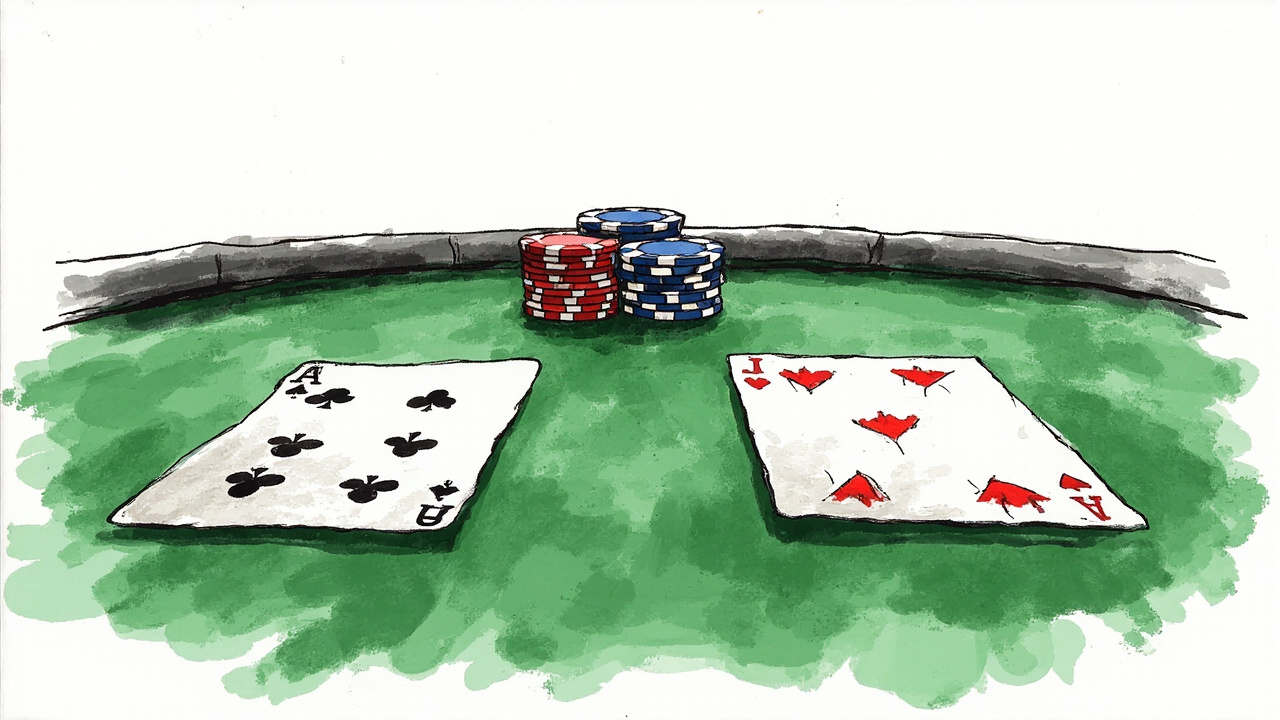
Horse racing exacta explained in plain terms means picking the first and second place horses in a single race, in the correct order. It costs more than a win bet, but the payoff can be decent when you read form properly. We look at how the bet works, where the risks sit, and what practical limits you should keep in mind before placing a ticket at a local track or through a mobile interface.
Understanding the exacta paysheet and price movement
An exacta is straightforward on paper: you nominate two runners and specify which one finishes first and which one finishes second. If the order is wrong, the ticket loses, even if those two horses occupy the top two spots. The most common way to play is a straight exacta, where you lock in a single combination and pay the full unit price. A box exacta lets you cover multiple orders by selecting three or more horses, but each additional combination multiplies the stake, so the cost climbs quickly.
Pricing on an exacta is driven by the same probability logic you see on win markets, only compressed into a paired outcome. When a favourite is involved, the exacta dividend tends to shrink because many punters are backing the same pairing. When you mix a lightly supported runner with a solid place-getter, the pool can swing harder and the return often reflects that uncertainty. I have spent over a decade managing loyalty and lifecycle campaigns in gaming, and the pattern is familiar: products that look simple on the surface still reward people who understand the underlying cost structure. An exacta is no different. The appeal is the higher dividend, but the trade-off is a tighter win condition and a faster burn rate if you box too many combinations without a clear reason.
Local racing habits shape how these bets behave. Around Geelong, for example, the barrier draws, track biases and trainer patterns can tilt the place market in ways that don’t always show up in raw win odds. That matters because an exacta is only as good as the order you expect to see cross the line. A horse that is strong in the straight might still be a poor exacta partner if it tends to run on and compromise the runner behind it. Reading the form, checking the track condition and watching how the market moves in the final minutes before jump-out can all influence whether a combination is worth the unit price.
Mobile access and the practical limits of the bet
Most punters now check form and place tickets on a phone, so the mobile experience matters more than it used to. A clean layout, readable market depth and responsive performance make it easier to compare combinations without squinting at a cramped screen. If you are using a browser or an app, the key things to notice are how quickly the markets load, whether the paysheet is easy to scan, and if the bet slip lets you adjust combinations without losing your selections. Navigation that feels clumsy on a small display can turn a quick check into a frustrating arvo session, especially when markets are moving.
There are also limits that are worth keeping in mind. An exacta can return more than a win bet, but it is still a fixed-odds product with a strict ordering rule, so it is not a way to soften risk across a race. If you box combinations, the stake multiplies and the break-even point rises, which means a few near-misses can add up faster than expected. Payment and registration details vary by operator, and responsible play means treating the stake as a cost, not a plan to cover a bad run. I have seen enough segmentation work to know that players who chase a specific dividend without tracking their outlay tend to over-index on cost, so it helps to set a unit size and stick to it.
If you want a calmer session with clearer controls, hellspin australia in safe environment is one option worth a look before you commit stake to a busy race card. The point is not to chase a big dividend for its own sake, but to make sure the interface, market access and basic session management fit how you actually want to bet.
What this means for how you play
For players who like a bit of analysis in the mix, the exacta offers a middle ground between a simple win bet and a more complex quaddie. You still need to judge the race, but the bet stays contained to one event, which keeps the decision-making focused. That can suit people who prefer reading a single program and making a call, rather than spreading attention across multiple legs and races.
The catch is that the stricter win condition means your edge has to be real, not just hopeful. A good read on order of finish can pay off, but a soft read on the same race can cost more than a win ticket because the stake is often higher and the tolerance for error is lower. If you are betting around Geelong or any other provincial track, it helps to weigh barrier stats, jockey changes and track condition before you lock in a combination, because those details can shift the likely running order more than the raw win market suggests.

Treat the exacta as a deliberate choice, not a default upgrade. When the form supports a clear top-pair idea, the bet can make sense. When the race is wide open and the market is thin, the cost of covering combinations can outweigh the chance of a meaningful return. hellspin australia in safe environment
Exacta betting explained well means knowing both the upside and the limits. It can reward a sharp read on order of finish, but it asks for discipline on stake and a realistic view of how often the exact order actually lands. For most punters, the useful approach is to use it selectively, keep the combinations tight, and make sure the mobile experience and session controls match the way you want to play.